Roadway Safety
High-Friction Surface Treatment Alternatives: Epoxy HFST vs. Prefabricated Systems
Explore epoxy HFST alternatives, including prefabricated asphalt-based systems, installation differences, and roadway safety evaluation considerations.
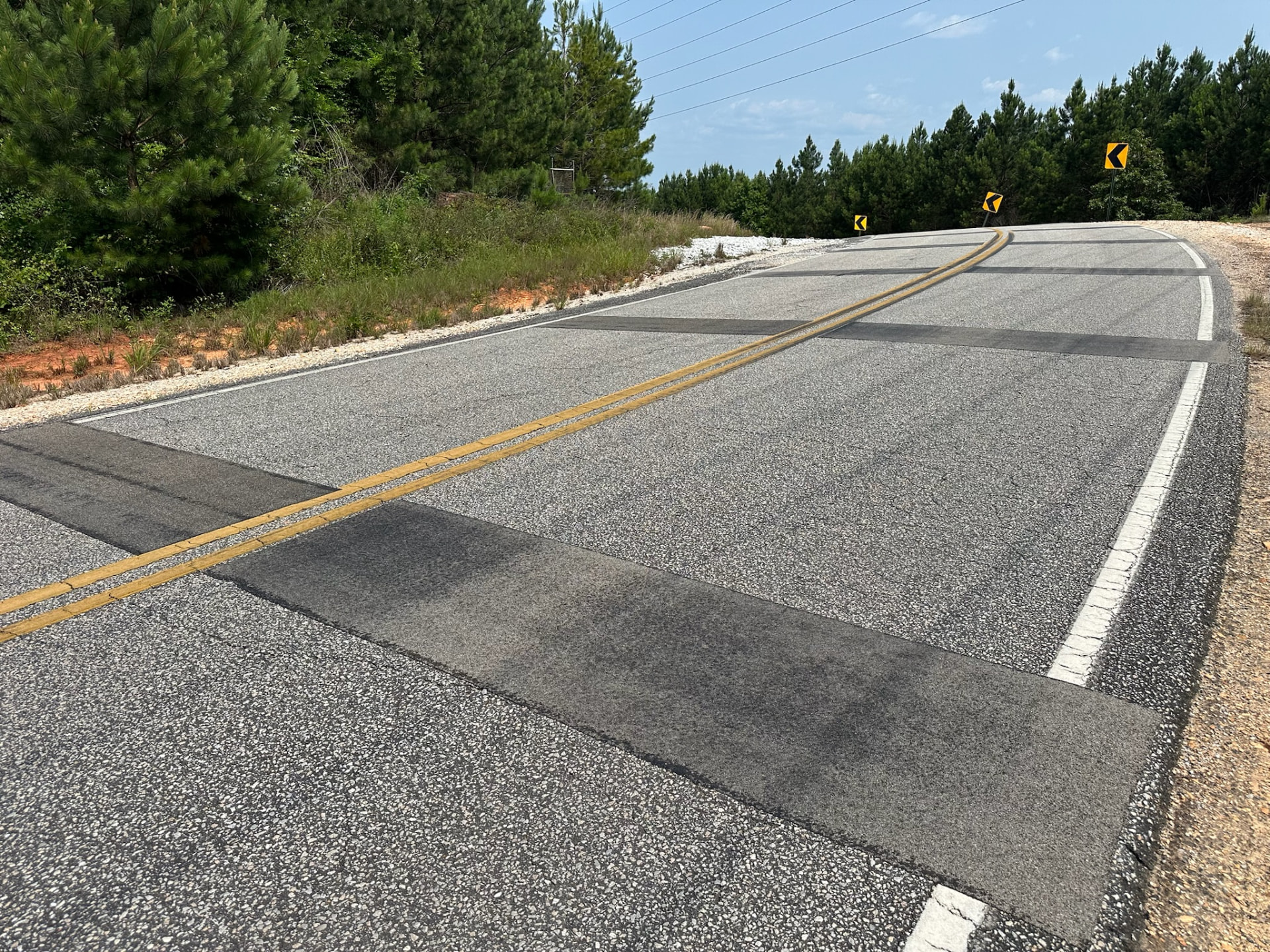
Improving pavement friction is an important part of roadway safety, particularly at horizontal curves, intersections, steep grades, and other locations where vehicles experience increased braking or turning demands.
Traditional high-friction surface treatments (HFST) are an established safety countermeasure. However, transportation agencies evaluating pavement friction improvements may also want to understand how alternative binder technologies and prefabricated systems compare.
One option is Roadway Safety Strip™ (RSS), a prefabricated asphalt-based high-friction product incorporating calcined bauxite.
Understanding the differences between these approaches can help engineers determine which technologies warrant further evaluation for specific roadway conditions.
What Is a High-Friction Surface Treatment?
A high-friction surface treatment is a specialized pavement application designed to restore or enhance friction where roadway conditions create elevated friction demand.
Conventional HFST typically consists of a polymer resin binder, commonly epoxy, applied to existing pavement and covered with a durable, polish-resistant aggregate such as calcined bauxite.
According to the Federal Highway Administration (FHWA), HFST is a proven safety countermeasure for appropriate locations.
Common applications include:
- Horizontal curves
- Interchange ramps
- Intersection approaches and braking zones
- Steep downhill grades
- Locations with documented friction-related crash concerns
The effectiveness of any treatment depends on factors such as site selection, existing pavement condition, material performance, and proper installation.
Why Are Transportation Agencies Exploring HFST Alternatives?
Conventional epoxy-based HFST has demonstrated significant safety benefits, but agencies continue to evaluate other materials and installation methods.
Factors influencing these evaluations may include:
- Material and installation costs
- Surface preparation requirements
- Weather and temperature limitations
- Traffic control and reopening requirements
- Long-term friction performance
- Maintenance and lifecycle costs
Research into asphalt-based binder systems demonstrates continued interest in expanding the range of available friction treatments.
For example, the Missouri Department of Transportation has investigated asphalt-based binders as potential alternatives to conventional polymer-resin HFST.
The goal is not necessarily to replace established treatments. It is to identify additional solutions that may be appropriate for different projects.
Epoxy HFST vs. Prefabricated High-Friction Systems
A key distinction between conventional epoxy HFST and prefabricated high-friction products is how the material is manufactured and installed.
Conventional Epoxy-Based HFST
Traditional epoxy HFST generally involves preparing the pavement surface, applying a polymer resin binder, and distributing calcined bauxite aggregate over the binder.
The system relies on the binder curing and securing the aggregate to the pavement.
Installation requirements depend on the specified materials, equipment, surface conditions, and environmental conditions.
Prefabricated Asphalt-Based Systems
Prefabricated systems incorporate key treatment components during manufacturing rather than assembling the entire treatment on the roadway.
Roadway Safety Strip™ is manufactured as an asphalt-based strip incorporating calcined bauxite. It is delivered in rolls and installed using controlled heating and compaction procedures.
Unlike conventional epoxy HFST, RSS does not require field mixing of an epoxy binder or broadcasting loose calcined bauxite during installation.
These differences may be relevant when agencies evaluate equipment needs, installation procedures, and project logistics.
However, installation method alone does not establish superior performance. Friction, durability, pavement compatibility, and lifecycle costs must be evaluated using appropriate data.
Introducing Roadway Safety Strip™ (RSS)
Roadway Safety Strip is a prefabricated high-friction product offered by New Age Asphalt Solutions.
The system combines an asphalt-based material with calcined bauxite, an aggregate widely recognized for its resistance to polishing and abrasion.
RSS is designed for targeted applications where additional pavement friction may be beneficial.
Potential applications include horizontal curves and other locations identified through engineering analysis as having elevated friction demand.
Its prefabricated format offers a different installation approach from conventional field-applied epoxy HFST.
Testing and Field Evaluation
Performance data is essential when considering an emerging roadway safety technology.
Roadway Safety Strip has undergone trafficking evaluation at the National Center for Asphalt Technology (NCAT) test track at Auburn University.
RSS has also been installed on a public roadway curve in Lee County, Alabama, providing an opportunity to observe installation and field performance.
New Age Asphalt Solutions is currently working with approximately eight state Departments of Transportation regarding evaluation and potential approval pathways for the technology.
These efforts are ongoing and do not constitute agency approval or endorsement.
For agencies considering RSS, available technical documentation and project-specific evaluation should form part of the decision-making process.
What Should Agencies Evaluate Before Selecting a High-Friction Treatment?
Selecting a friction treatment involves more than comparing product specifications.
Transportation professionals should evaluate:
- Roadway conditions: Pavement condition, traffic volumes, roadway geometry, and existing friction characteristics.
- Safety needs: Crash history, wet-weather concerns, and locations with elevated braking or turning demands.
- Material performance: Available friction testing, durability data, trafficking evaluations, and field observations.
- Installation requirements: Surface preparation, equipment, environmental limitations, and traffic management.
- Lifecycle considerations: Initial costs, anticipated service life, maintenance needs, and long-term performance.
- Agency specifications: Applicable material standards, approval procedures, and engineering requirements.
A product suitable for one application may not be appropriate for another.
Frequently Asked Questions About HFST Alternatives
Are there alternatives to epoxy-based HFST?
Yes. Transportation researchers and manufacturers have investigated alternative binder technologies and installation approaches, including asphalt-based materials and prefabricated systems.
These alternatives differ in composition, installation requirements, and available performance data. They should not be assumed to offer equivalent friction performance or service life without supporting evidence.
Is calcined bauxite necessary for high-friction treatments?
Calcined bauxite is widely used in conventional HFST because of its strong resistance to polishing and abrasion.
FHWA recommends calcined bauxite for conventional HFST applications where sustained high friction is required.
Roadway Safety Strip also incorporates calcined bauxite, although its binder system and installation method differ from conventional epoxy HFST.
Can prefabricated high-friction systems replace traditional HFST?
Prefabricated systems may provide another option for certain applications, but suitability depends on site conditions, performance requirements, available evidence, and agency specifications.
They should be evaluated as distinct technologies rather than treated as automatically interchangeable with conventional HFST.
Expanding the Options for Roadway Safety
Conventional high-friction surface treatments remain an important tool for addressing roadway locations with elevated friction demand.
At the same time, continued research and development are introducing additional approaches for transportation agencies to evaluate.
Prefabricated asphalt-based products such as Roadway Safety Strip™ represent one of these approaches.
At New Age Asphalt Solutions, our goal is to help transportation professionals understand emerging technologies, review available performance information, and identify appropriate opportunities for further evaluation.
Interested in learning more about Roadway Safety Strip™?
Contact New Age Asphalt Solutions to request technical documentation, discuss performance evaluations, or explore a potential demonstration project.